What is the role of the attorney in internal investigations and negotiated criminal justice? What defense rights are available or need to be secured in these processes and procedures? What safeguards ensure respect for the fundamental rights or defense rights of individuals who are implicated or prosecuted when a legal entity negotiates a negotiated criminal justice agreement (CJIP)?
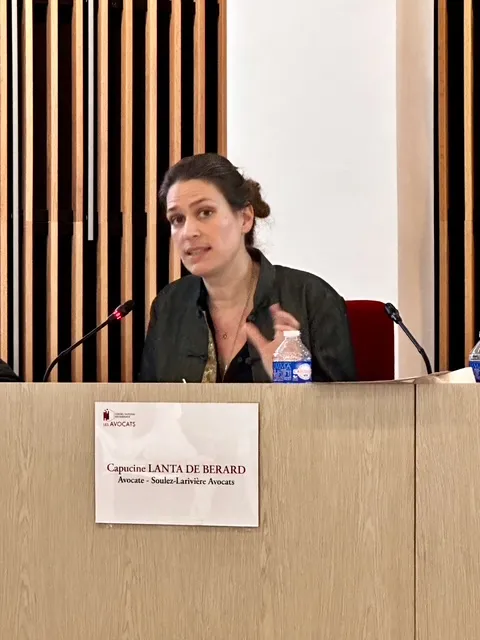
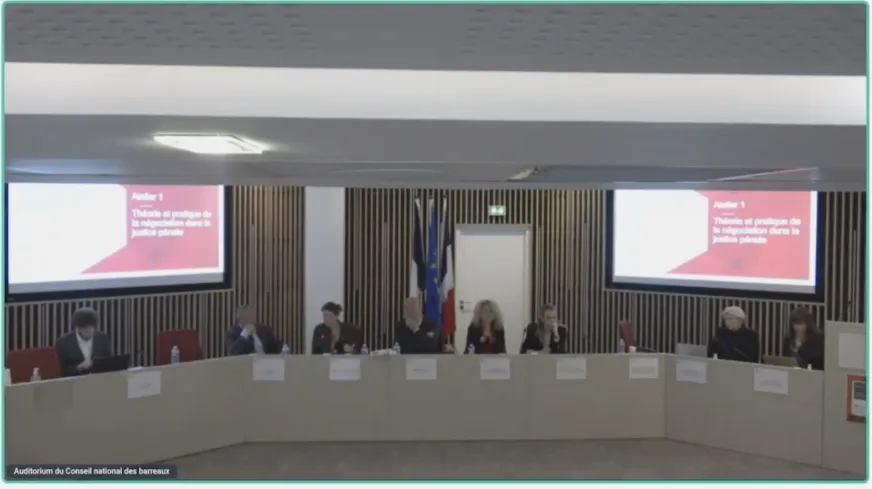
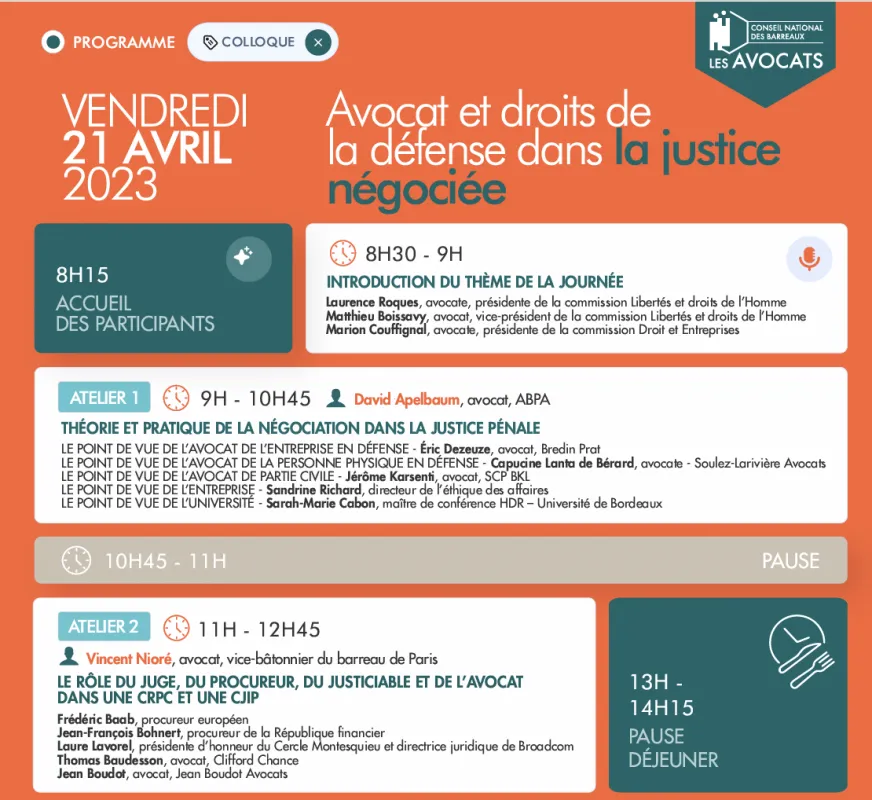
At the CNB symposium, Capucine Lanta de Bérard presented the perspective of the attorney representing an individual defendant in the context of negotiated justice proceedings.
This is a major issue—one that is rarely addressed in depth or in concrete terms, yet is essential. “French-style” negotiated justice will only reach its full maturity when individuals are treated properly within this system—that is, in a manner that does not compromise either their right to a fair trial or the most basic presumption of innocence.
The current challenge is to resist this situation; there are two possible courses of action:
- in cases that come to trial, to utilize all procedural means aimed at penalizing violations of the right to a fair trial and the presumption of innocence of the individuals thus affected; and to raise awareness among the judges responsible for authorizing the DPA regarding the need to exercise their oversight to protect these fundamental rights;
-
And for the future, enact legislation to curb this situation, for example, based on the English “contempt of court” procedure, under which the publication of documents related to the DPA (the DPA, statements of facts, and the trial transcript) is postponed until the conclusion of the criminal trial of the individuals being prosecuted.
The complete symposium program is available at this link